
Blocking-in
There's an 'inbetween-ness' connecting the eye and brain.

Johann Wolfgang von Goethe, poet, scientist, and philosopher, famously observed that ‘Man sieht nur das, was man weiß,’ commonly paraphrased in English as ‘we see what we know.’ That perception is shaped by prior knowledge.
Our existing knowledge influences our understanding of reality. For example, an experienced physician might notice subtle details in a patient’s symptoms that a novice overlooks because the more experienced physician has trained their eye to recognize certain disease patterns.
What we know acts like a mental framework, guiding what we pay attention to and how we interpret it. A specialist familiar with a specific field of medicine might ‘see’ patterns in data that others miss because they know what to look for.
As my father was fond of saying, the older physician is often more expert than the younger, because they have had more dreams.
Goethe hints at the limitations of perception. We might miss things outside our knowledge base or misinterpret what we see due to preconceived notions. For instance, someone unfamiliar with a culture might misread behaviors because they lack the context to understand them.
In my recent forays into painting, I’ve discovered the wonders of 'Blocking-in,’ a foundational technique in painting where the artist establishes the basic shapes, colors, and composition of the artwork in the early stages, laying down broad, simplified areas of color or tone to map out the painting's structure before adding details or refining elements. The artist John Singer Sargent famously used blocking-in to develop dynamic compositions quickly.
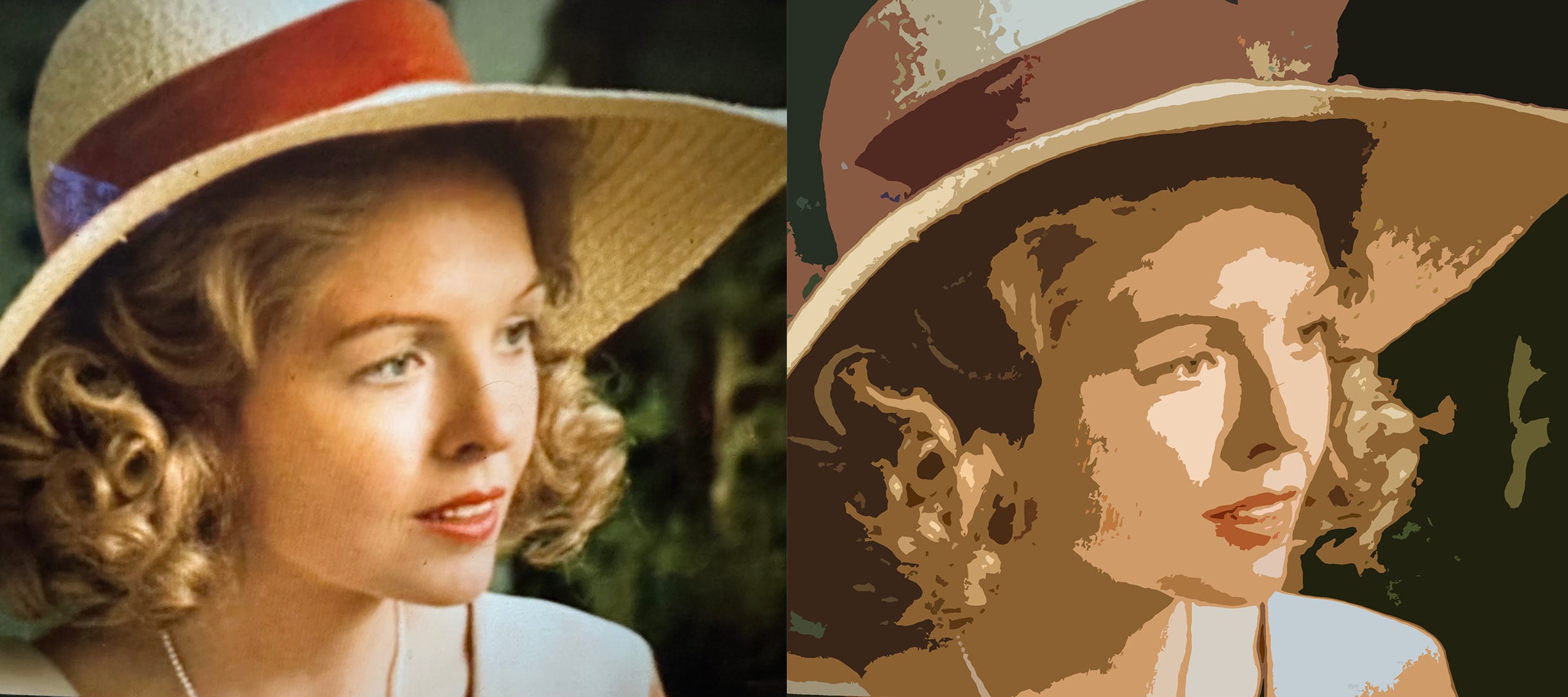
It helps establish the overall color harmony and values without getting bogged down in detail. Blocking-in says: forget what you know it is; see what it looks like. If Goethe is saying that your knowledge blinds you to reality, blocking-in invites you to strip away knowledge to see the truth.
But all tools come with costs: overworking the block-in stage limits later adjustments.
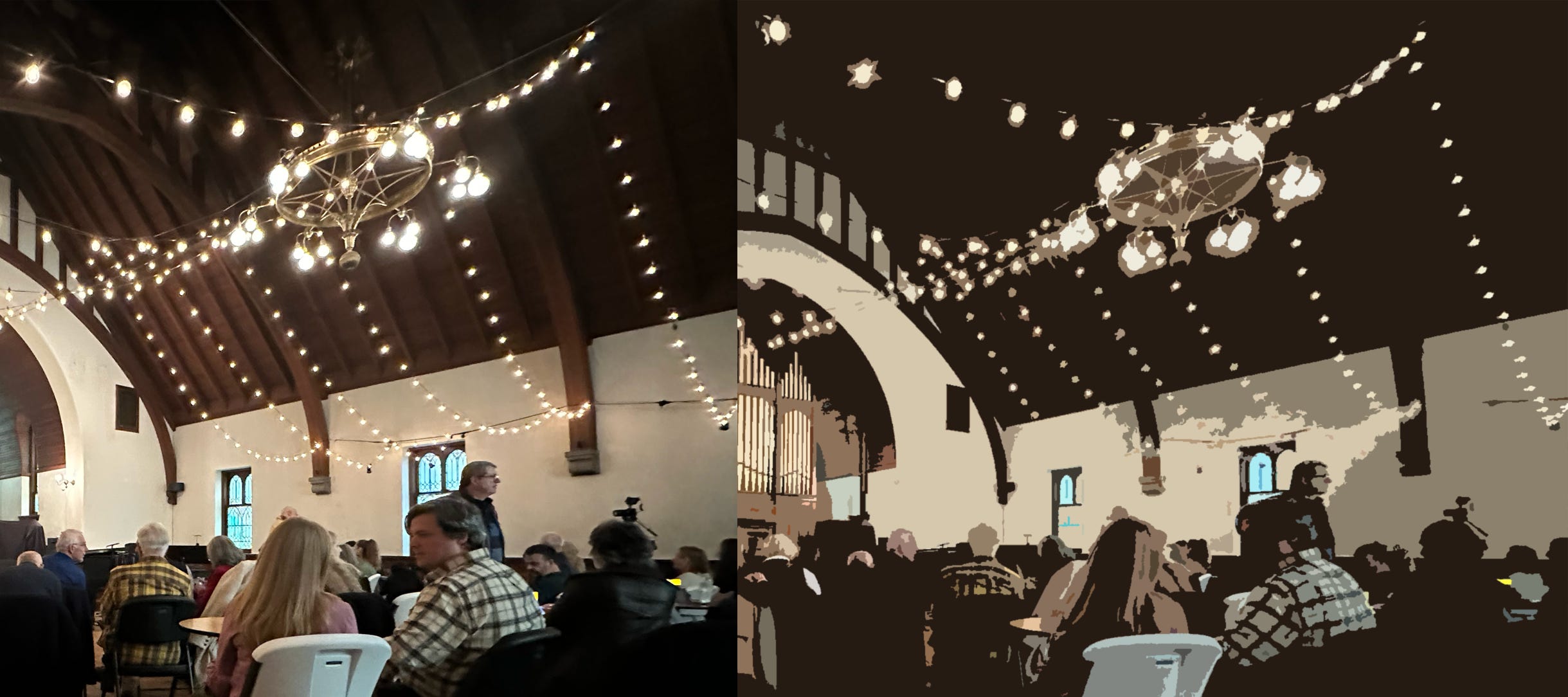
Blocking-in is a way to see like a child again, before symbols took over everything, a deliberate perceptual hack. Our visual cortex predicts; blocking-in delays the recognition needed to engage the downstream observational circuits.
This points to a simple choice we must make for any perceivable event: Should we see it with our brain, or with our eyes?
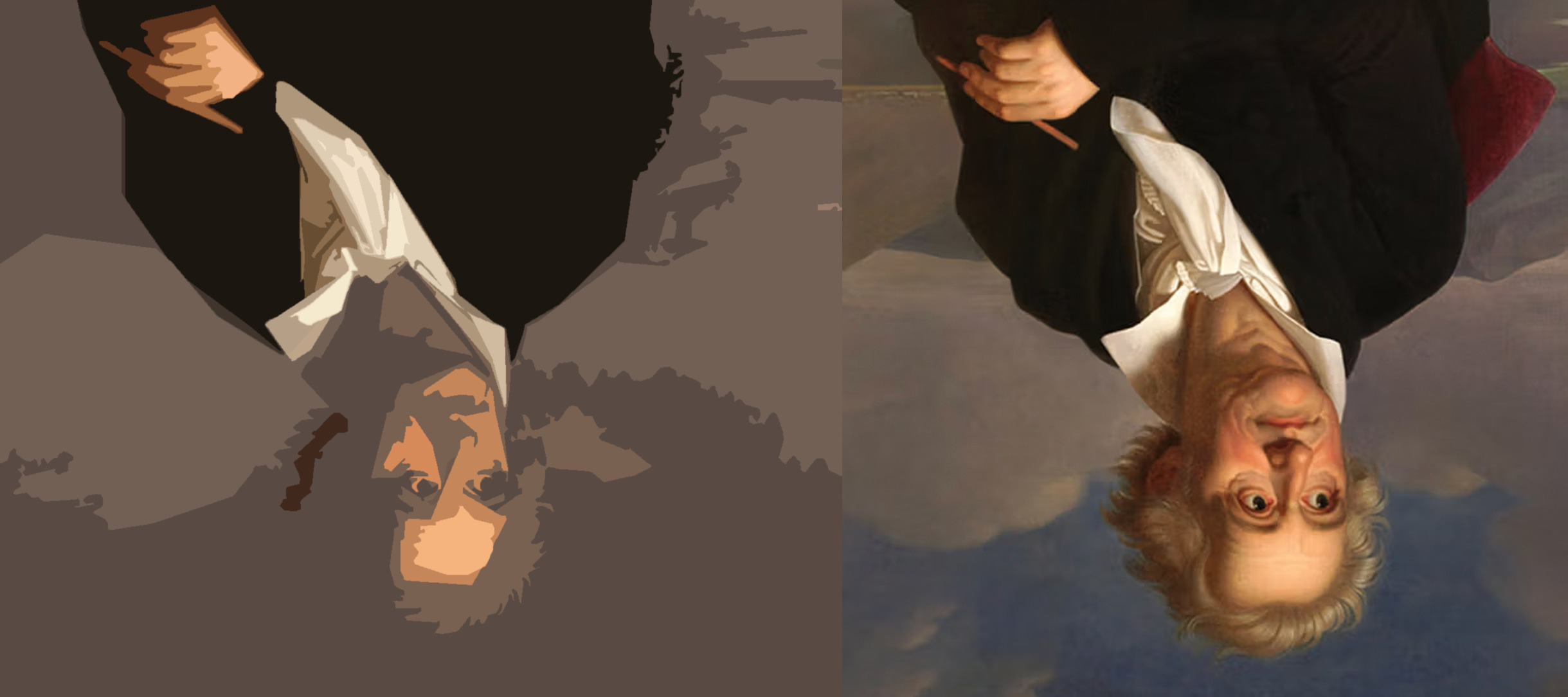
Here’s a simple exercise that uses upside-down drawing and blocking
Take a photo of a face.
Flip it upside down.
Block in major shapes, ignoring minor facial details.
Only turn right-side up at the end. The majority of us would be shocked to discover we draw better when we don’t know what it is we’re actually drawing.
Blocking-in is a technique with utility far beyond the canvas. With it, we get to choose the level of ambivalence we wish to apply towards material things.